

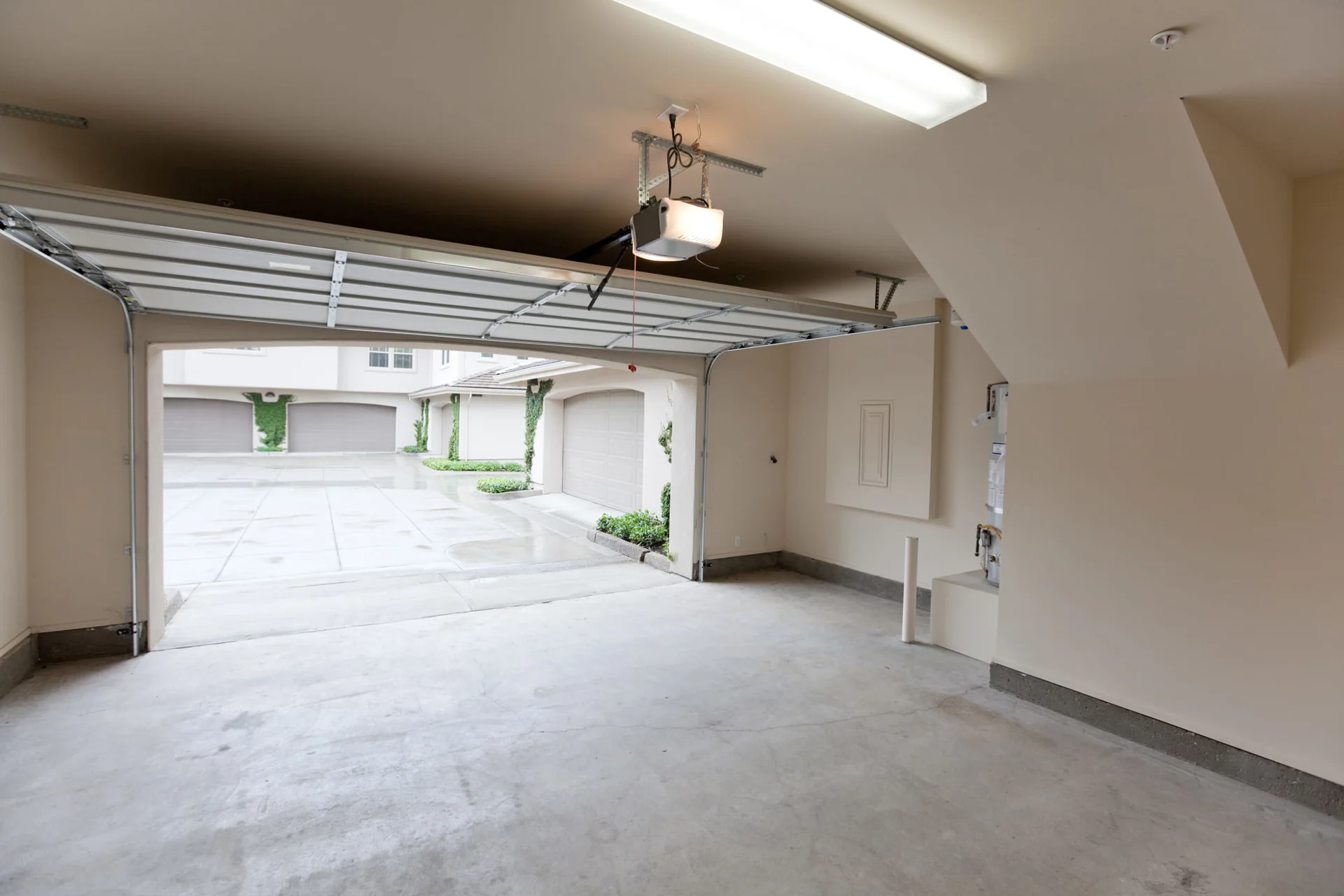
Boise weather tests garage floors year-round. From scorching summer heat to winter road salt, Mag Chloride slush, and constant freeze-thaw cycles, bare concrete takes a real beating. That makes the polyurea vs. epoxy decision a big deal for Treasure Valley homeowners.
Throw polyaspartic into the mix, and figuring out the right option can get confusing fast. And, if you pick the wrong system, you could end up replacing your floor all over again in just a few years.
Let's break down where each coating shines so you can pick one built to withstand the daily demands of your garage.
What Is Polyurea Garage Floor Coating?
How Polyurea Flooring Works
Polyurea is a fast-curing coating made from a resin and a hardener that react on contact, forming a flexible, rubber-like surface.
Contractors often spray polyurea in a single layer, then finish with a polyaspartic topcoat for color, shine, and ultraviolet stability. According to industry standards, polyaspartic coatings are technically a subcategory of polyurea chemistry, built to cure faster than the earlier spray-applied formulas the material grew from.
How Epoxy Flooring Works
Epoxy works a bit differently. Contractors mix a resin and hardener into a thicker, harder compound applied in layers, letting each layer cure before adding the next. That layered buildup is part of why epoxy delivers such strong chemical resistance and surface hardness, even though the process takes longer than a single polyurea spray application.
Cure Time and Durability: Polyurea vs. Epoxy and Polyaspartic
Cure time and flexibility are the areas where these two material families diverge most. The difference affects both your install schedule and how the floor holds up over the years.
Cure Time
Cure time is the biggest practical difference between these materials. The gap determines how many days your garage stays out of use during installation:
- Polyurea and Polyaspartic Cure Time: Polyaspartic topcoats typically set in one to four hours, and traditional spray-applied polyurea cures even faster, since the two-part chemistry reacts and hardens on contact rather than curing through a slower chemical process.
- Epoxy Cure Time: Epoxy needs multiple coats, each given time to harden before the next layer goes down, and that longer schedule is what builds the denser, more heavily cross-linked surface epoxy is known for.
Durability and Flexibility
Durability comes down to how each material responds to daily wear and Boise's temperature swings. Here's where each system holds a real advantage:
- Flexibility and Cracking Risk: Polyurea flexes with the concrete slab instead of resisting it, which can reduce cracking risk in a climate where the ground freezes and thaws repeatedly each winter. Rigid epoxy trades some of that flex for a harder surface, and issues like hairline cracks are more often tied to surface prep and installation than to the material itself.
- Surface Hardness: Epoxy holds up well against heavy tool drops or a jack stand, since polyurea alone lacks the surface hardness a hard epoxy or polyaspartic layer provides.
Cost Considerations: Polyurea vs. Epoxy and Polyaspartic
Material and labor costs vary by installer, garage size, and concrete condition, so exact pricing depends on your project. A few cost factors are worth understanding before you compare quotes.
Upfront Costs
Material choice and labor hours drive most of the sticker price you see on a quote:
- Material Cost: Polyurea and polyaspartic materials typically cost more per gallon than epoxy, reflecting the faster-curing chemistry built into each product.
- Labor Cost: Cure time affects labor hours too, since crews spend less time waiting for one coat to set before starting the next.
Long-Term Costs
Upfront price only tells part of the story. These two factors affect what you actually pay over time:
- Downtime Cost: Epoxy alone often costs less upfront, though the slower, multi-coat cure schedule means more days out of your garage during installation.
- Longevity Cost: A coating that cracks, peels, or yellows within a few years costs more over time than a system built to last under a manufacturer's limited lifetime warranty.
The cheapest quote upfront isn't always the best long-term value. Ask any installer what their warranty actually covers before deciding between systems.
Why an Epoxy and Polyaspartic System Holds Up Better in Boise
Boise garage floors face year-round stress, not just winter cold. A single-material coating struggles to keep up with everything the Treasure Valley throws at it across all four seasons.
- Repeated freeze-thaw cycles each winter expand and contract the concrete slab underneath your coating.
- Mag Chloride and road salt track in from icy streets and sit against the floor through the winter months.
- Summer heat and UV exposure cause some coatings to fade, yellow, or soften under hot tires.
- Hard water leaves mineral stains that build up year-round, regardless of season.
- Temperature swings between summer heat and winter cold stress the coating's flexibility every time the seasons change.
The Garage FX® Solution
Our Garage FX® epoxy and polyaspartic system layers each material where its strengths matter most. The epoxy base fuses deep into the concrete, increasing adhesion by 3x compared to standard epoxies and eliminating peeling, cracking, or chipping that can stress a single-layer coating. Complete with a polyaspartic topcoat, the system provides exceptional chemical resistance and UV protection.
GarageExperts® manufactures the Garage FX® system ourselves, so quality control happens at the source instead of through a third-party supplier. Every floor comes backed by a limited lifetime warranty, built for exactly the conditions Boise garages face each winter.
Choosing the Right Coating for Your Garage
The right coating for your garage depends on how you use the space and how long you want the floor to last.
- Choose standalone polyurea if you need your garage back in a single day and prioritize flexibility over surface hardness, knowing the weak surface bond significantly increases the risk of peeling, blistering, and hot-tire pickup.
- Choose a layered epoxy and polyaspartic system if you want a coating built in stages to resist Boise's freeze-thaw cycles, road salt, and daily wear, with an install schedule longer than a single-day polyurea application.
Upgrade Your Garage Flooring with GarageExperts® of Boise
GarageExperts® of Boise installs the Garage FX® epoxy and polyaspartic system on garage, basement, commercial floors, and more across the Treasure Valley, backed by a limited lifetime warranty on every job.
Our crews also install custom garage cabinets and slatwall storage, so your floor and your storage system come from one local team instead of two separate contractors. Every installation reflects the quality control that comes from GarageExperts® manufacturing the Garage FX® system ourselves.
Call our experts at (208) 904-3652 or submit a contact form online to request your free on-site estimate today!