

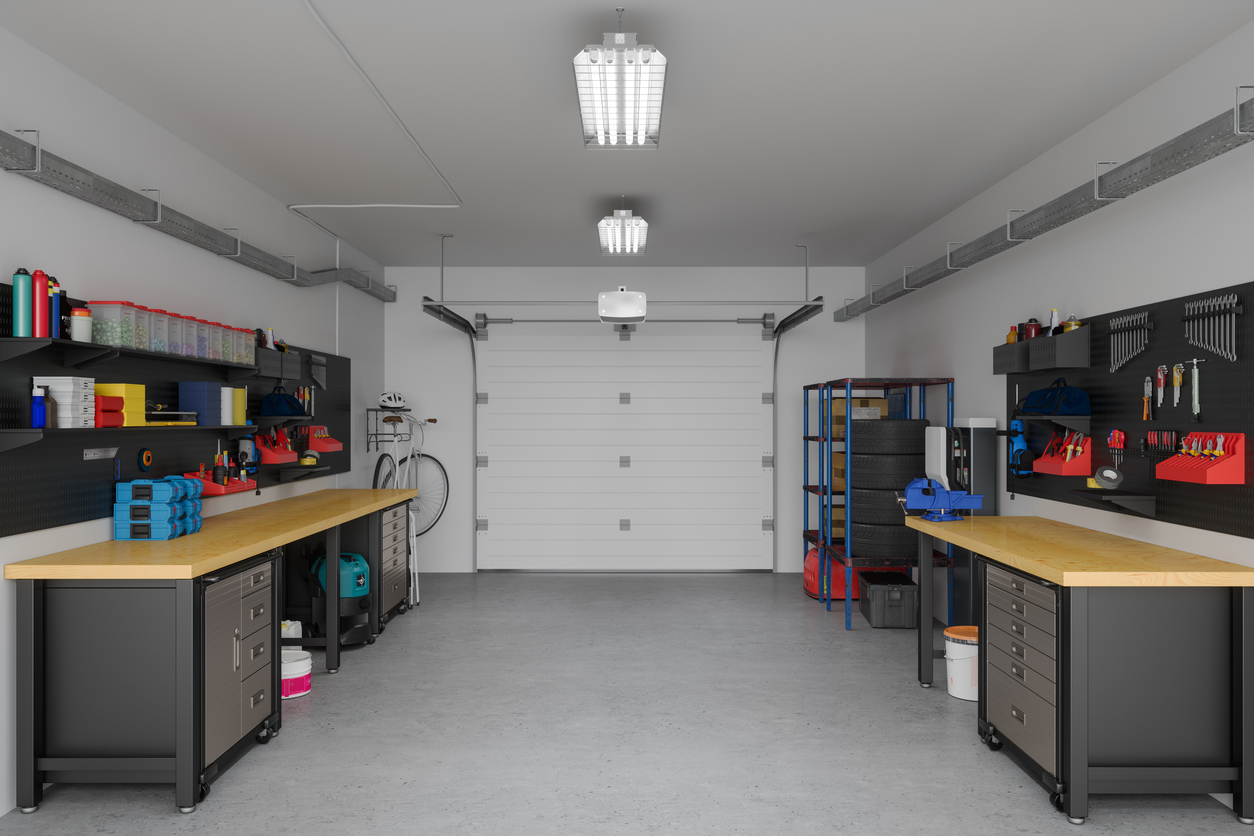
The Many Ways Humidity Can Seep into the Garage
Most homeowners expect humidity to affect things like outdoor furniture or patio cushions. What often goes unnoticed is how moisture settles into indoor spaces, especially garages. Unlike climate-controlled rooms inside the house, garages tend to act like holding areas for heat, moisture, and air movement.
Humidity behaves like a slow visitor that refuses to leave. Over time, it settles into materials you rely on every day, causing:
- Long-term wear. Repeated exposure to humidity can shorten the lifespan of cabinets, shelving, and even concrete surfaces.
- Moisture buildup concerns. Garages without protective flooring often allow moisture to move through concrete and into surrounding materials.
- Degradation. Many storage materials react differently to moisture, and some begin to weaken long before visible damage appears.
At first, the effects can be subtle. A tool feels slightly sticky in your hand. A cardboard box softens in the corners. Metal hardware develops faint discoloration. None of these changes happen overnight, which is exactly why they are easy to overlook until damage becomes more obvious.
What Humidity Really Does to Common Storage Materials
Garages are home to a mix of materials that were never designed for humid conditions. Wood, metal, and particle board each respond differently to moisture, but none are immune. Even small shifts in humidity can trigger changes that accumulate over time.
Wood & Composite Materials Feel the Effects First
Wood-based materials are among the most sensitive to humidity changes. They expand when moisture rises and contract as conditions dry out. This cycle repeats again and again, gradually weakening structural integrity.
You may notice:
- Swelling cabinet doors. Doors that once closed smoothly may begin to stick or misalign.
- Warped shelving surfaces. Slight bending in shelves can reduce their load capacity.
- Surface bubbling or peeling. Moisture trapped beneath coatings may cause visible damage.
- Musty odors developing. Damp conditions encourage mildew growth in enclosed storage areas.
These signs often appear slowly, which is why many homeowners assume the materials were simply low quality rather than affected by environmental conditions.
Metal Components & Hidden Rust Development
Metal is commonly used in shelving brackets, tool storage systems, and hardware. While it may appear durable, humidity quietly encourages corrosion when moisture lingers in the air. Rust rarely starts in obvious places. It often begins where moisture collects without airflow.
Common signs include:
- Surface discoloration. Small spots of rust forming on brackets or fasteners.
- Weakened connections. Rusted hardware may compromise shelving stability.
- Tool deterioration. Metal tools stored in humid spaces may corrode faster than expected.
- Reduced structural reliability. Over time, rust can weaken load-bearing components.
These issues are particularly common in coastal climates where moisture levels remain elevated year-round.
Cardboard & Fabric Storage Materials Break Down Quickly
While not permanent fixtures, temporary storage materials are often the first to show signs of humidity damage. Many households rely on cardboard boxes or fabric bins to organize seasonal items. Unfortunately, these materials are highly vulnerable to moisture.
Watch for:
- Softened box corners. Cardboard loses strength when exposed to humidity.
- Mold growth. Damp materials create an ideal environment for mildew.
- Odor retention. Moisture allows smells to linger and intensify.
- Content damage. Stored items inside may absorb moisture or develop stains.
These warning signs may seem minor at first, but they often signal deeper environmental problems within the garage.
The Overlooked Role of Concrete in Moisture Movement
Many people think humidity only travels through air. What often gets missed is how moisture moves through concrete itself. Concrete is not completely solid. It contains microscopic pores that allow moisture vapor to travel upward from the ground. That movement can affect everything resting on top of it.
When concrete is unprotected, you may notice:
- Damp-feeling floors. Surfaces may feel cool or slightly wet during humid months.
- Moisture trapped under storage systems. Shelving legs and cabinet bases remain in constant contact with damp surfaces.
- Gradual material breakdown. Prolonged exposure to moisture accelerates wear.
- Surface staining or discoloration. Moisture movement can lead to visible floor changes.
Over time, untreated concrete becomes part of the humidity cycle rather than a barrier against it.
Why Jacksonville Garages Are Especially Vulnerable
Not every region experiences humidity the same way. Jacksonville’s climate creates a steady rhythm of moisture exposure that affects garages year-round.
Warm temperatures, coastal air, and seasonal storms combine to create conditions that place added stress on storage materials.
Many local factors contribute to ongoing wear, including:
- High year-round humidity levels. Moisture rarely drops low enough to allow materials to fully dry.
- Frequent temperature changes. Expansion and contraction cycles accelerate material fatigue.
- Storm-related moisture spikes. Heavy rains increase ground moisture beneath concrete slabs.
- Salt exposure in coastal areas. Salt air can intensify corrosion on metal components.
For homeowners, these conditions make moisture management more than a convenience. It becomes a protective measure for both storage systems and flooring.
Signs Your Garage May Be Holding Too Much Moisture
Humidity damage rarely appears all at once. It develops in patterns that can be easy to overlook unless you know what to watch for.
If your garage environment feels slightly off, it may be worth taking a closer look. Common warning signs include:
- Persistent musty smells. Odors that linger even after cleaning.
- Rust appearing on tools or fasteners. Especially in areas with limited airflow.
- Peeling coatings on shelves or cabinets. Moisture trapped beneath finishes.
- Condensation forming on surfaces. Visible moisture on walls or floors.
- Uneven wear beneath storage systems. Localized damage near contact points.
Recognizing these early indicators allows homeowners to address underlying causes before damage spreads.
How Protective Flooring Helps Control Moisture Exposure
One of the most effective ways to reduce humidity-related damage starts at ground level. Protective floor coatings create a barrier that limits moisture movement through concrete while improving surface durability.
This is where modern epoxy and polyaspartic flooring systems stand apart from untreated concrete.
When properly installed, these systems provide:
- Moisture resistance. Coatings help reduce vapor movement from the slab.
- Surface durability. Floors resist wear caused by storage systems and daily use.
- Easier cleaning. Smooth surfaces allow dirt and moisture to be removed quickly.
- Long-term protection. Materials designed for performance in demanding environments.
Rather than reacting to damage after it appears, protective flooring shifts the focus toward prevention.
Why Smart Garage Storage Helps Reduce Moisture-Related Damage
Storage systems do more than organize clutter. In humid environments like Jacksonville, the right storage setup can also help reduce prolonged exposure to moisture by improving airflow and limiting direct contact with concrete floors.
When belongings sit directly on bare concrete or are packed tightly into poorly ventilated spaces, humidity tends to linger. Over time, that trapped moisture can affect everything from tools and sports equipment to seasonal décor and household supplies.
Thoughtfully designed storage solutions help create separation, airflow, and cleaner organization throughout the garage.
Elevated Storage Helps Keep Items Away from Damp Concrete
One of the biggest advantages of upgraded garage storage is reducing floor contact. Moisture vapor often rises through untreated concrete slabs, especially during humid months or after heavy rain.
Systems like overhead racks and wall-mounted storage help keep items elevated and protected from moisture exposure near the floor.
Benefits include:
- Improved airflow around stored items. Better circulation helps reduce trapped humidity.
- Reduced moisture transfer from concrete. Items are not sitting directly on potentially damp surfaces.
- Cleaner organization overall. Elevated storage helps prevent clutter from collecting in moisture-prone areas.
- Better long-term protection for household items. Seasonal storage, tools, and equipment remain more protected over time.
Even a few inches of separation from the floor can make a noticeable difference in humid garage environments.
Slatwall Systems Create Cleaner, More Ventilated Storage
Traditional storage methods often push items into corners or stack them tightly together. Slatwall systems create a more open organization system that keeps tools, gear, and accessories accessible without restricting airflow.
This can help reduce hidden moisture buildup behind piles of stored items.
Garage slatwall systems are especially useful for:
• Yard tools and equipment
• Sports gear and bikes
• Extension cords and hand tools
• Frequently used household items
Keeping these items off the floor and properly spaced helps garages feel cleaner, more functional, and less vulnerable to moisture-related clutter issues.
Cabinets Help Protect Belongings from Humidity Exposure
High-quality garage cabinets provide more than visual organization. Durable cabinet systems help shield belongings from dust, humidity fluctuations, and direct environmental exposure inside the garage.
Professionally installed cabinet systems are typically built with materials designed to perform better in demanding garage conditions than lower-grade shelving or particleboard furniture.
Custom cabinets may help:
- Create enclosed storage for sensitive items
- Reduce exposure to dust and moisture in open-air spaces
- Improve overall garage organization and cleanliness
- Support longer-lasting storage performance in humid climates
Combined with protective flooring, cabinets become part of a more complete moisture-management strategy for the garage as a whole.
Storage & Flooring Work Better Together
Garage protection works best when surfaces and storage systems work together. Protective flooring helps reduce moisture movement through concrete, while elevated storage systems help limit direct exposure to humidity-prone areas.
Together, these upgrades help create a garage environment that feels:
- Cleaner
- More organized
- Easier to maintain
- Better protected against long-term wear
For Jacksonville homeowners, that combination can make a significant difference over time, especially in garages exposed to year-round humidity and coastal conditions.
Protect Your Storage Systems from the Ground Up
Garage storage upgrades often begin with cabinets or shelving, but the floor beneath those systems plays a larger role than many expect. In humid environments like Jacksonville, long-term performance depends on protecting the entire space, not just individual components.
At GarageExperts of Jacksonville, our team understands how local climate conditions influence garage environments. Our epoxy and polyaspartic flooring systems and durable storage solutions (including installations of slatwall, cabinets, and racks) are designed to help reduce moisture exposure and create surfaces that stand up to daily use. If your garage shows signs of humidity-related wear, now is a good time to explore solutions that protect your investment.
Call (904) 441-6700 today or contact us online to learn how our Garage FX® epoxy and polyaspartic flooring systems can help create a cleaner, more durable, and moisture-resistant garage space built for Jacksonville conditions.