While epoxy floors are known for their strength and ability to handle everything from daily vehicle traffic to weekend projects and everything in between, even the toughest surfaces benefit from a little routine care.
With the right cleaning routine and approach, you can protect the finish, prevent dirt and debris from building up, and keep your epoxy garage floor clean, safe, and looking its best for years to come.
In this guide, we'll cover how often to clean your epoxy floors, step-by-step cleaning methods, and tips for maintaining that polished, like-new finish.
Table of Contents
- The Importance of Epoxy Floor Maintenance
- How Often You Should Clean Your Epoxy Garage Floors
- Epoxy Floor Cleaning Schedule
- How to Clean Your Epoxy Garage Floor
- Seasonal Epoxy Floor Maintenance
- Tips to Keep Your Epoxy Floors Lasting Longer
The Importance of Epoxy Floor Maintenance
Regularly cleaning your epoxy floors helps maintain their shine and prevents dirt and debris from building up. Think of it like caring for hardwood or tile; small, consistent efforts make a big difference in keeping the surface looking great.
By following a simple cleaning routine, you not only preserve the polished finish but also protect the long-term durability of your epoxy garage floor. With proper care, a properly installed epoxy floor can last up to 20 years.
How Often You Should Clean Your Epoxy Garage Floors
The right cleaning schedule for your epoxy floors depends on how often you use your garage and what kinds of spills or debris you encounter.
- Heavy garage use: If you park multiple cars, work on projects, or use your garage as a workshop, you’ll likely need to clean your epoxy floors more often, every 1–2 days, including occasional deep cleaning.
- Light garage use: For garages that aren’t used as much, a quick sweep or dusting once a week is usually enough to keep dirt and grit from building up and scratching the epoxy coating.
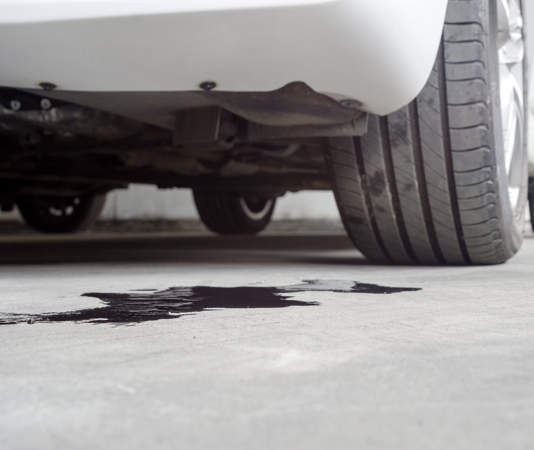
No matter how often you clean, it's important to wipe up spills as soon as they happen, especially oil, paint, or other chemicals, to protect the epoxy coating over time.
Epoxy Floor Cleaning Schedule
Here’s a general cleaning schedule you can follow for your epoxy floors:
- Clean Immediately: Spot clean chemical spills, oil, or hot tire marks with a rag and a mild cleaner. Follow up with a pH-neutral cleaner, if needed. The sooner you clean your epoxy floor, the easier it is to prevent staining or surface damage.
- Daily or Every Few Days: Sweep your epoxy garage floors with a soft-bristle broom or microfiber mop to remove dust and dirt that can scratch the surface over time.
- Weekly: Lightly mop your epoxy floors to remove everyday grime and maintain that fresh, clean look.
- Monthly or Quarterly: Do a deeper cleaning of your garage epoxy floors using warm water, a squeegee or mop, and a pH-neutral cleaner to remove built-up residue, road salt, and tougher stains.
- Seasonally: Give your epoxy garage floors a more thorough scrub, especially after winter, to wash away sand, salt, and sludge that can accumulate during colder months.
Following a routine like this helps protect your epoxy floor coating and keeps your garage looking clean and well-maintained year-round.
How to Clean Your Epoxy Garage Floor
Keep your epoxy floors looking their best with these simple steps for routine care and deeper cleans:
Routine Maintenance (Daily or Weekly)
Regular cleaning helps your floor maintain its finish and prevents small bits of dirt or grit from scratching the surface.
Sweeping or Dust Mopping:
Start by sweeping up loose dirt, dust, sand, and leaves with a soft broom or a microfiber dust mop. Make sure to get into corners, edges, and under shelves where dirt often hides and collects fine grit that can scratch the epoxy coating.
If your garage gets a lot of use, sweep every day or two. For lighter use, once a week is usually enough.
Cleaning Up Small Spills:
When oil, paint, or a chemical spills, wipe it up right away with a rag or paper towel. If any sticky or oily residue remains, use a pH-neutral cleaner with warm water to remove it.
Cleaning up spills right away keeps your epoxy floor spotless and prevents stains from setting in.
Light Mopping:
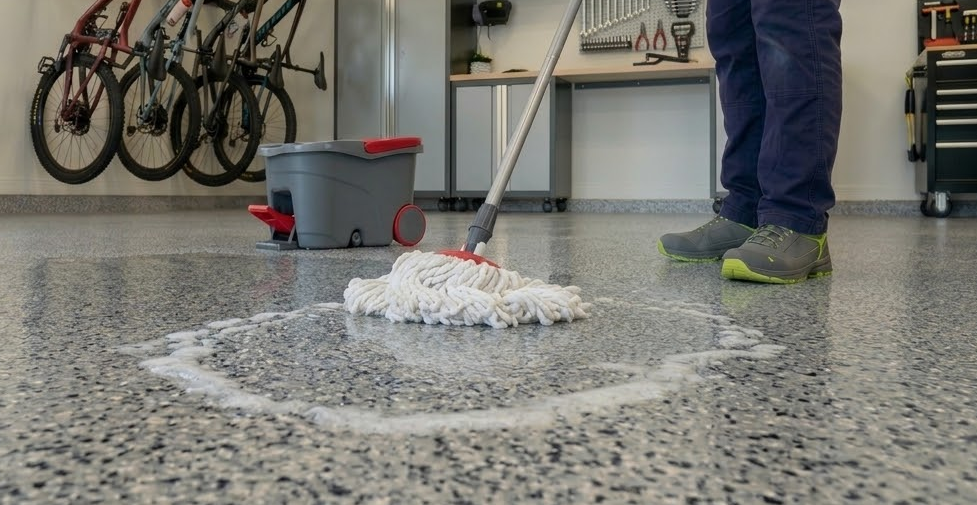
Mix a few ounces of a pH-neutral cleaner per gallon of warm water. Then dip a microfiber or sponge mop into the solution and clean the epoxy floor in smooth, even motions. Avoid using string mops as they can leave streaks or lint behind.
A light mop once a week helps keep the floor looking polished between deep cleans.
Drying or Squeegeeing:
After mopping, let the floor air dry, or push out extra water with a foam squeegee. This helps prevent slippery areas and leaves your epoxy floor streak-free and shiny.
Deep Cleaning (Monthly or Quarterly)
Deep cleaning your epoxy garage floors occasionally helps remove built-up dirt and grease, especially after messy projects or winter weather.
Step 1: Clear the Area
Move out your vehicles, bins, tools, and other items so you can reach every part of the floor.
Step 2: Mix a Deep Cleaning Solution
Fill a bucket with warm water and add a pH-neutral cleaner. For extra grease or heavy buildup, a small amount of diluted ammonia can be used occasionally for a stronger clean (about 2-3 ounces per gallon of hot water).
Avoid using harsh cleaners such as citrus-based sprays, vinegar, bleach, or anything acidic or highly alkaline; these can wear down and damage your floor's finish over time.
Step 3: Scrub the Floor
Use a soft-bristle brush, deck brush, or floor scrubber to clean dirtier sections, especially around high-traffic areas like doorways or where cars enter and track dirt.
Work your way across your floor in small sections so you don't miss any spots.
Step 4: Cleaning Grease or Oil
For tough oil stains or fluid spills, apply a small amount of household degreaser, the kind you'd find at any hardware store. Let it sit for a few minutes to break down the grease, then scrub gently in circular motions until the stain lifts.
Be careful not to let the solution dry on the surface; rinse it off as you go.
Step 5: Rinse and Dry Thoroughly
Once you're done scrubbing, rinse the floor well with clean water. Use a mop, wet vacuum, or foam squeegee to remove all residue. Any leftover soap or cleaner can cause mild hazing or streaks once dry.
Let your floor air dry completely or wipe it down with a microfiber cloth for a smooth, glossy look.
Seasonal Epoxy Floor Maintenance
Here's how to keep your epoxy floors clean and protected year-round:
- Winter: Keep an eye out for salt, sand, and road grime getting tracked in. Put mats in busy areas, mop regularly to clear abrasive residue, and wipe up oil or antifreeze spills fast to prevent stains.
- Spring: After the winter mess, give your floor a good, deep clean. Use a soft brush or a low-pressure washer (under 1,200 PSI) with a gentle, pH-neutral cleaner to refresh the surface. This is also a good time to inspect corners and high-traffic areas for scratches or dull spots.
- Summer/Fall: Regular sweeping and spot cleaning usually does the trick, but continue weekly mopping to remove dust, pollen, and other debris. Watch open garages for water spots or moisture that can dull or streak the surface.
Tips to Keep Your Epoxy Floors Lasting Longer
Keep these simple do's and don'ts in mind to protect your floors and get the most out of your epoxy coating:
Do's
- Use parking pads under hot tires when pulling in, as fresh-from-the-road hot tires can leave marks on the surface over time.
- Place entry mats at doors and soft mats in work zones to catch dirt, debris, and moisture before they reach the floor.
- Lift heavy items instead of dragging them, or use dollies instead to prevent scratching the surface and damaging the epoxy coating.
- Control humidity by keeping your garage dry and well-ventilated, especially during rainy days or winter months, to prevent moisture spots.
- Clean up spills immediately, especially oil, chemicals, or antifreeze, before they have a chance to stain or break down the epoxy coating.
- Use a pH-neutral cleaner for routine mopping and spot cleaning to protect the finish without causing damage.
- Inspect for wear around corners and high-traffic areas every few months and address dull spots or scratches early before they worsen.
- Use furniture pads or rubber feet under heavy shelving units, tool chests, or workbenches to prevent pressure marks and surface damage.
Don'ts
- Don't use harsh chemicals like bleach, vinegar, citrus cleaners, or acids, as they can dull and break down the epoxy finish over time.
- Don't use abrasive tools like steel wool or rough scrub pads, as they'll scratch and ruin the glossy surface.
- Don't apply wax or polish; it won't bond properly to epoxy and can leave a slippery, cloudy layer.
- Don't let sharp or heavy metal tools drop or drag across the surface, as they can chip or gouge the coating.
- Don't use a high-pressure washer above 1,200 PSI; too much pressure can force water under the coating and cause it to lift or peel.
- Don't ignore standing water; while epoxy is water-resistant, prolonged moisture sitting on the surface, especially near edges or cracks, can work its way under the coating over time.
Restore & Upgrade Your Floors with GarageExperts®
Staying on top of regular maintenance is the best way to protect your garage floor, but if you're finding that no amount of cleaning is restoring that like-new look, it may be time for a professional touch.
At GarageExperts®, our proprietary Garage FX® flooring system offers a high-performance epoxy and polyaspartic coating that's built to resist staining, peeling, and chipping right from the start, making it easier to clean and maintain for years to come.
Whether your current floor is showing wear, dealing with stubborn stains, or your DIY epoxy coating just didn't hold up, our local team can assess your floor and help you find the right solution.
Contact your local GarageExperts® today for a free estimate and take the first step toward a garage floor that's built to last.

.0000000000000.jpg "Garage interior featuring charcoal gray and silver cabinets, black-and-white slatwall on white walls, and a light gray speckled epoxy floor.")